Between Demolition and Memory: Photographing America's Architecture in Transition
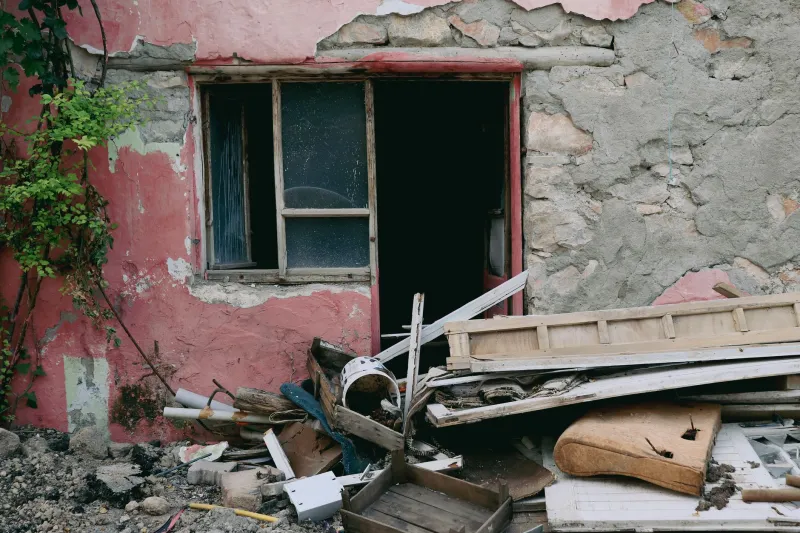
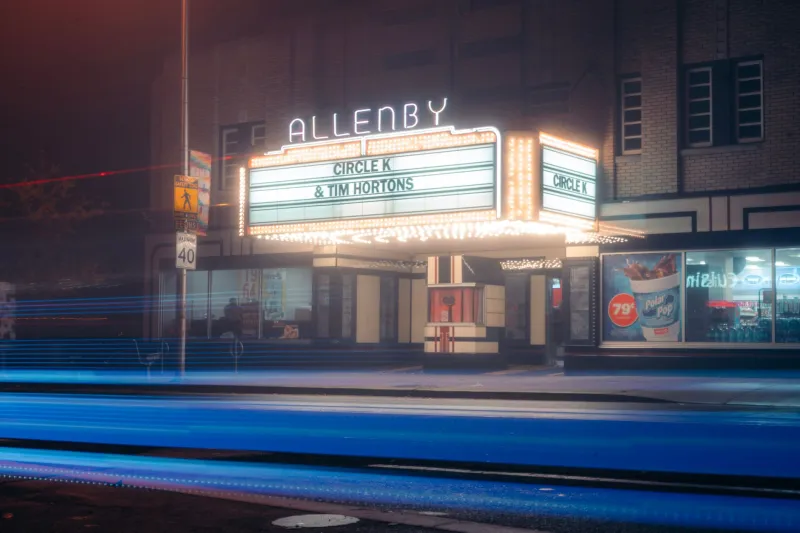
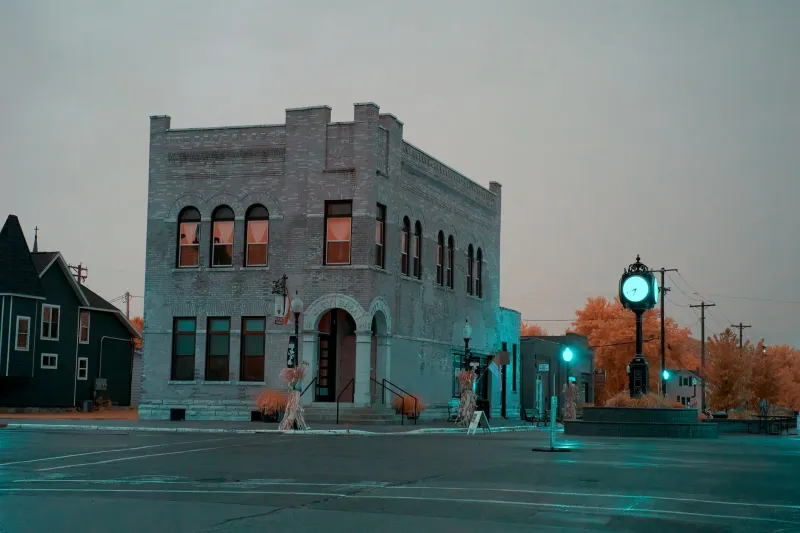
The most honest portrait of a building may be the one taken while it is becoming something else.
Completed structures present their best faces—finished facades, functioning purposes, the composed dignity of things that know what they are. Ruins carry their own aesthetic authority, the romantic weight of time's verdict rendered. But the interval between these states, the weeks or months when a building is mid-transformation, neither what it was nor what it will become, produces a visual honesty that neither endpoint can match.
A growing number of American photographers have recognized this interval as their primary subject. Working with varying degrees of urgency—because the window is, by definition, temporary—they are assembling a photographic record of the United States in the act of remaking itself.
The Liminal Condition
Photographers working in this space use the word "liminal" with notable frequency, and the term earns its use. These buildings exist at a genuine threshold: stripped of their original function but not yet assigned a new one, exposed in ways that occupied structures are not, revealing structural and historical layers that renovation will permanently conceal.
Detroit-based photographer Nadia Kowalczyk has spent six years documenting commercial buildings in the city's ongoing transformation—a process that has accelerated dramatically as investment has returned to neighborhoods long considered beyond recovery. Her archive now contains more than four thousand images of storefronts, warehouses, and former manufacturing facilities in various stages of transition.
"What renovation erases first is the evidence of time," Kowalczyk explains. "The layers of wallpaper. The original tile beneath the dropped ceiling. The loading dock that tells you what this building actually did for fifty years. Once the renovation team arrives, that evidence disappears within days. I'm trying to be there before that happens."
Her photographs have taken on documentary significance beyond their artistic merit. Several Detroit preservation organizations have used her archive to reconstruct the commercial history of specific blocks, identifying original tenants and construction dates from visual details that no other record preserves.
The American Renovation Cycle
The subject matter that these photographers pursue is not scarce. The American built environment exists in a state of near-continuous transformation, driven by economic cycles, demographic shifts, and the relentless appetite for repurposing that characterizes urban and suburban development alike.
In cities across the country, the pattern repeats with variations. Industrial facilities built in the early twentieth century stand empty for decades before being discovered by developers who convert them into residential lofts, creative offices, or mixed-use retail spaces. Main Street storefronts cycle through abandonment and revival as retail economics shift. Residential neighborhoods on the margins of expanding urban cores see entire blocks demolished to make way for new construction, with the transitional phase—structures standing but emptied, awaiting the wrecking ball—lasting anywhere from weeks to years.
Each phase of this cycle produces distinct photographic opportunities. Memphis-based photographer Calvin Reese, who has documented the transformation of his city's South Main district over the past decade, describes the transitional moment as uniquely revelatory.
"A building that's been operating continuously for forty years has learned to hide itself," Reese observes. "The owners patch and paint and update. When it empties out, all of that maintenance stops simultaneously, and the building starts talking. You can read the entire history of the place in the surfaces, if you get there before someone else starts covering them up again."
Access and Ethics
The practical challenges of this photographic practice are considerable. Transitional buildings are, almost by definition, in ambiguous ownership situations—sometimes actively managed, sometimes effectively abandoned, sometimes in legal limbo between sale and development. The question of access is rarely simple.
Philadelphia photographer Miriam Chastain, who focuses on residential structures in neighborhoods undergoing rapid gentrification, has developed an approach centered on transparency and community relationship-building. She introduces herself to neighbors, communicates openly with property managers where they exist, and in many cases has established ongoing relationships with developers who have come to value the historical record her work provides.
"There's a version of this work that treats these buildings as found objects, as if they exist in isolation from the communities around them," Chastain says. "That's not the work I want to make. The building is a character in a larger story, and the people who lived or worked there are co-authors of that story. I want them involved in how it's told."
Her approach has led to collaborative projects in which former residents and business owners contribute their own photographs and recollections to contextualize her architectural documentation—a model that several other photographers in this space have adopted.
What These Images Preserve
The historical value of this photographic work extends beyond architectural documentation. Buildings in transition expose the social and economic archaeology of American communities in ways that finished structures conceal and completed renovations permanently erase.
Los Angeles-based photographer and urban historian Francesca Delgado argues that the transitional architectural record is among the most significant undervalued archives in American visual culture. "We have extraordinary documentation of landmark buildings," she notes. "We have almost nothing on the vernacular commercial and residential fabric that actually defined how most Americans lived and worked. The buildings that are being lost right now—the mid-century strip malls, the postwar bungalows, the industrial buildings that held entire neighborhood economies—those are the structures that tell the real story of twentieth-century American life."
Delgado's own work focuses on the San Fernando Valley, where she is systematically photographing commercial corridors in the weeks immediately before demolition permits are executed. Her images have been acquired by the Los Angeles Public Library's historical collections and by several university urban planning departments.
Racing the Calendar
For photographers in this field, the relationship with time is unlike almost any other photographic practice. The window of access is not merely narrow; it is closing continuously and irreversibly. A building that exists in its transitional state today may be fully renovated or entirely demolished within ninety days.
This urgency produces a particular quality of attention. Photographers working in transitional architecture describe a heightened awareness of local development news, permit applications, and neighborhood rumor—an informal intelligence network assembled in service of being present before the moment passes.
What they are building, collectively, is a photographic record of America in the act of forgetting itself: the structures that were too ordinary to landmark, too recent to romanticize, and too significant to lose without witness. In the interval between what a building was and what it will become, these photographers are finding the truest measure of what it meant.